
Confidence-ready style is less about having more clothes and more about having a simple system: outfits that fit well, feel like you, and work for your real schedule. The goal is to get dressed with less second-guessing—so mornings feel faster, calmer, and more empowering. If it helps to remember the “why,” research on enclothed cognition suggests what you wear can influence how you feel and perform, especially when your outfit aligns with the role you’re stepping into.
Before you plan outfits, define what confidence looks like for you. When your wardrobe choices match your preferences, it’s easier to show up with steadiness (and that repeatable “I’ve got this” feeling).
If you like having something tangible to guide these decisions, the Chic Minimalism Formula checklist for outfit planning can help you turn preferences into a repeatable outfit “recipe” without overcomplicating your closet.
When confidence is the goal, consistency is your friend. A simple formula makes getting dressed feel less like a test and more like a routine that supports you.
| Situation | Base | Structure | Finishing touch |
|---|---|---|---|
| Busy weekday | Fitted tee + jeans | Light jacket or cardigan | Minimal jewelry + clean sneakers |
| Work-ready | Neutral top + trousers | Blazer or tailored layer | Loafers/ankle boots + belt |
| Casual errands | Hoodie + leggings/jeans | Longline coat or denim jacket | Crossbody bag + sunglasses |
| Dinner or event | Monochrome top + skirt/trouser | Statement outerwear | Heeled boot/sleek flat + bold lip |
For a dependable base layer that plays well with every formula, consider the Armani Exchange Women’s Black T-Shirt for a dependable base layer. When you know your “base” always works, you can focus on the mood and finishing details instead of constantly troubleshooting.
Trends come and go, but fit is what makes an outfit feel like it belongs on you. The best confidence boost is often a small adjustment that changes how everything sits.
When clothes stop distracting you, you get more mental space for what actually matters. That’s a real-world confidence win—and it pairs well with the idea of self-belief and follow-through described in the APA definition of self-efficacy.
Color should support your vibe, not fight it. A simple palette can make everyday outfits feel more intentional, even when you’re repeating the same silhouettes.
The “finished” feeling often comes from tiny choices that take almost no time—especially when you set yourself up ahead of time.
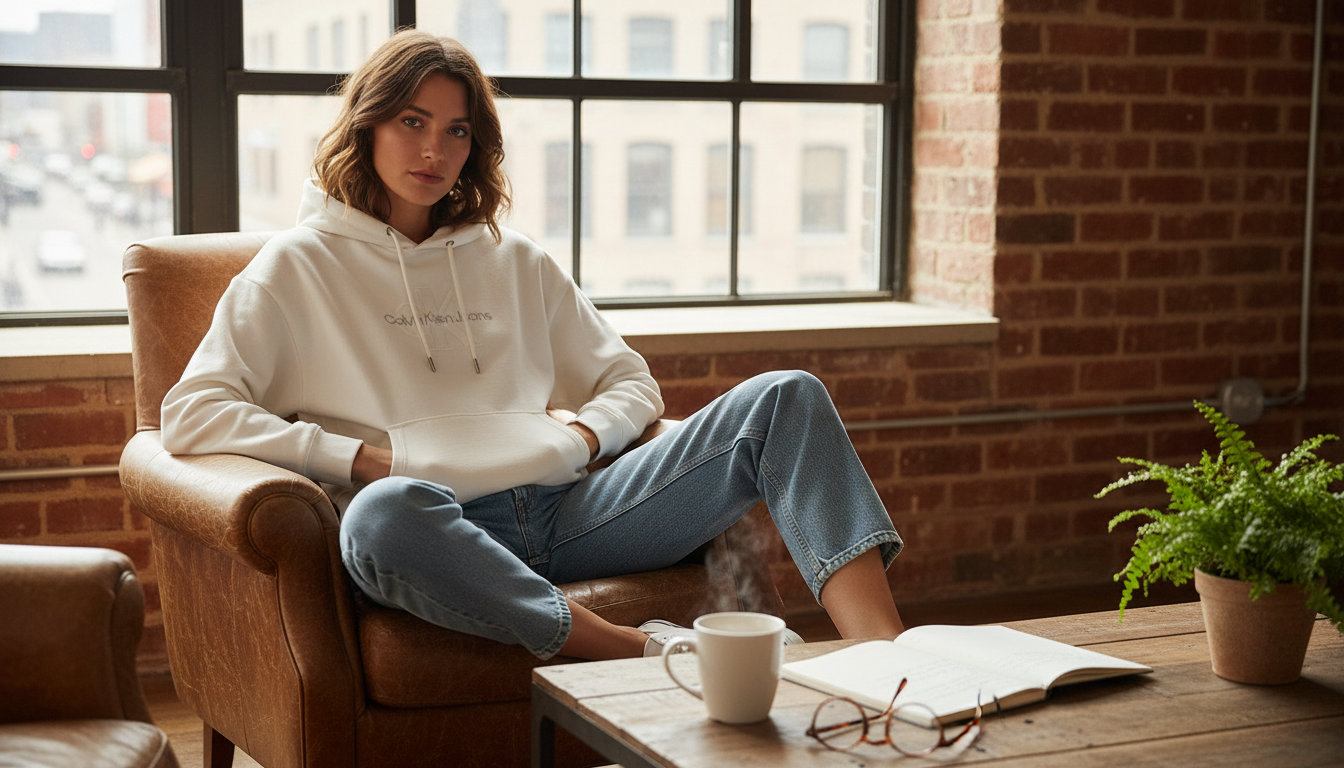
For easy layering that reads relaxed but still pulled together, the Levi’s Women’s White Hooded Sweatshirt for comfortable layering works well with jeans, trousers, or a long coat—especially on days when comfort is non-negotiable.
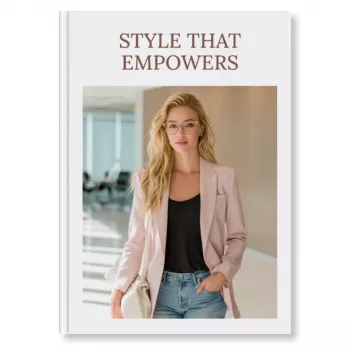
If you want a step-by-step system you can return to whenever your style feels scattered, Style That Empowers: How to Dress With Confidence Daily Guide is designed to help you build outfits that feel like you—without needing a bigger closet.
Focus on repeatable outfit formulas, consistent fit, and 2–3 hero pieces you trust. Confidence comes from reliability and comfort more than the number of items you own.
Use a saved “safe outfit,” go monochrome, add one structured layer, and prioritize comfort. Then plan the next day’s outfit in advance so the morning feels easier.
Pick three feeling-words, notice what you wear most, and build around silhouettes and colors that feel natural on your body and in your lifestyle. Refine with a simple checklist so your choices stay consistent.








Leave a comment