
“Style seasons” are less about month names and more about how your real life changes throughout the year. Instead of forcing spring or fall trends onto your closet, a style-season approach blends climate, schedule, and personal preferences into a system you can repeat.
Three reliable season drivers keep the plan grounded:
For each quarter, set one simple goal you can actually feel when you get dressed: lighter layers, smarter basics, cozy textures, or rain-ready uniforms. Then reduce overwhelm with decision rules—pick 2–3 silhouettes, 2 hero shoes, and 1 outerwear focus per season so outfits stay consistent and easy to repeat.
AI works best when the inputs are specific and stable. Before requesting outfits, define the details that make an outfit wearable for your weather, your schedule, and your comfort needs.
Write a short description you can reuse every time: favorite colors, avoid-list (ex: “no neon”), fit notes (ex: “high-rise only”), and comfort thresholds (ex: “no scratchy knits,” “needs sleeves,” “no tight waistbands”).
List 15–25 anchor pieces you actually wear. This is enough for AI to create outfit variety without inventing a fantasy wardrobe. Add practical constraints like laundry cadence, shoe comfort limits, layering needs, and modesty preferences so the suggestions stay realistic.
| Input | Examples | Why it matters |
|---|---|---|
| Weather range | 45–60°F, windy; hot/humid summers | Prevents outfits that look good but feel wrong |
| Dress code | Business casual; weekend errands; travel days | Aligns outfits to real-life contexts |
| Color direction | Neutrals + one accent color | Keeps outfits cohesive and easy to mix |
| Fit & comfort | High-rise preferred; sleeves needed | Reduces “almost right” recommendations |
| Footwear limits | No heels; lots of walking | Avoids impractical styling suggestions |
To keep forecasts accurate, check your local conditions through the NOAA National Weather Service and plan outfits around what you’ll actually feel outside.
A fast workflow matters more than a perfect one. This routine is designed to be repeated at each seasonal shift.
Spring gets easier when layering is planned in pairs. Have AI build combinations like tee + cardigan, button-down + tank, or light knit + midi skirt so you can adjust warmth without reinventing outfits.
For a polished spring top that plays well with layers, consider the Women’s V-Neck Polo Shirt as a versatile base under jackets or cardigans.
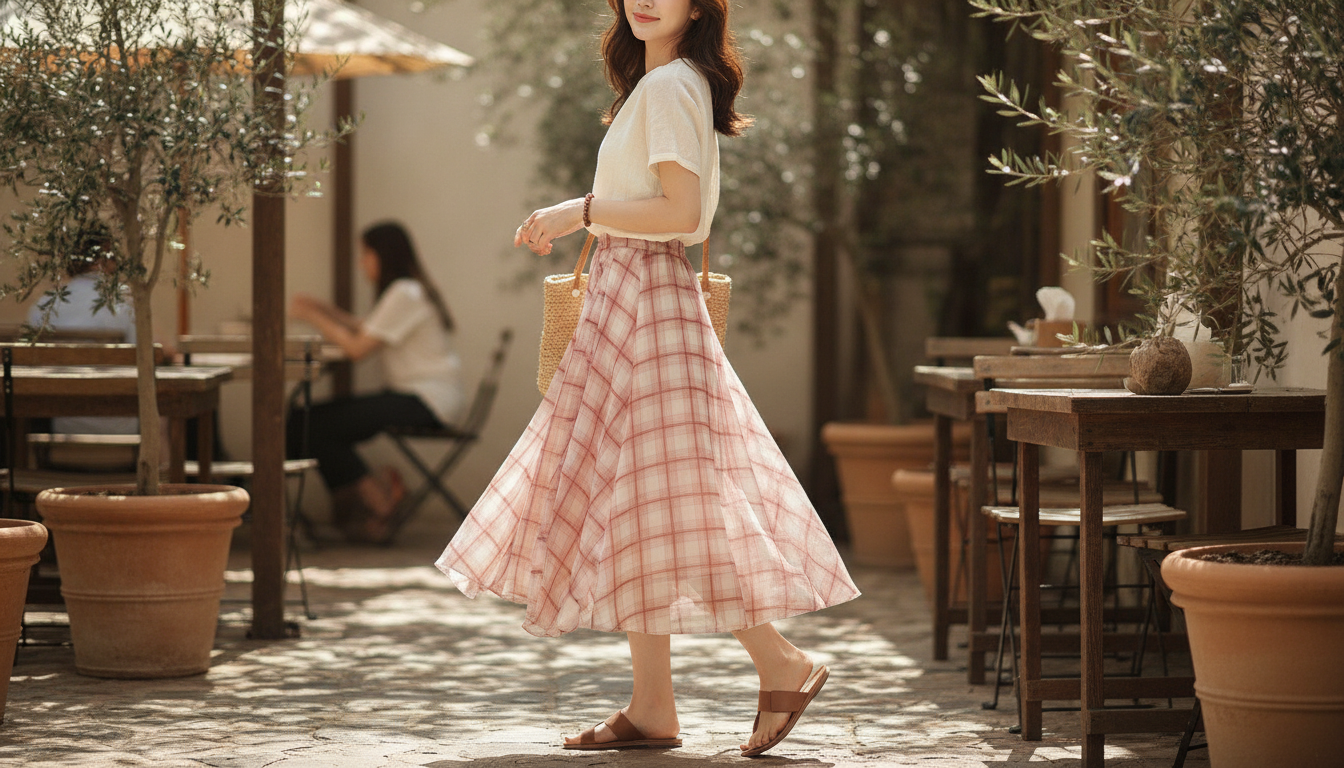
Summer planning is less about adding pieces and more about editing. Direct AI toward breathable fabrics and simple silhouettes—linen blends, cotton poplin, and light knits—and keep the outfit architecture minimal.
If you want a ready-to-use framework, AI Style Seasons | How To Use AI For Seasonal Outfit Planning | Fashion eBook & Digital Download Guide breaks the process into repeatable steps, from building seasonal mini-capsules to saving outfit formulas that stay useful year after year.
When purchasing digital products, it also helps to understand delivery details and policies; the CFPB consumer resources offer useful guidance on buying digital products and services.
For a structured, minimal-wardrobe approach that supports repeatable formulas, pair your seasonal planning with Chic Minimalism Formula | Meaningful Minimalism Outfit Recipe Checklist | Capsule Wardrobe, Outfit Planning, Style Vision Guide. The combination makes it easier to turn favorite looks into a small set of default outfits per season.
Any AI tool that follows structured inputs can work well. Choose one that lets you save notes or templates, and consistently provide a weather range, dress code, and a closet list for repeatable results.
Create a short closet inventory (15–25 anchor pieces is enough) and require the tool to use only those items for the first round. Then request a gap list capped to just a few purchases so the plan stays realistic.
Yes—when the guide is a system. Updating inputs like your colors, silhouettes, and lifestyle refreshes the results without rebuilding your wardrobe plan from scratch, and saved outfit formulas make seasonal reviews faster.












Leave a comment