HomeBlogBlogBreathable Shockproof Sports Bra: Fit & Support Guide

Breathable Shockproof Sports Bra: Fit & Support Guide

Breathable Shockproof Sports Bra: Fit & Support Guide

Women’s Breathable Shockproof Sports Bra: Comfort That Keeps Up

A sports bra should feel secure without feeling restrictive. A breathable, shock-absorbing design helps reduce bounce during movement, manages heat and sweat, and stays comfortable through workouts and daily wear. The most satisfying fit comes from smart construction—band stability, strap placement, and balanced coverage—so support doesn’t rely on simply squeezing tighter. Below is a practical guide to what “breathable” and “shockproof” really look like on the body, how to check fit quickly, and how to keep your bra performing wash after wash.

What “Breathable” and “Shockproof” Mean in Real Life

Marketing terms sound great, but comfort is easier to judge when you translate them into how a bra behaves during a real workout.

  • Breathable feel: Fabrics and construction that let heat and moisture escape so you’re less likely to feel sticky or overheated mid-session.
  • Shock-absorbing support: Structure that limits excessive breast movement during higher-impact activities, helping you feel more “held” and less distracted.
  • Comfort balance: True support should come from design (band, straps, shaping), not from painfully tight compression.
  • Everyday versatility: A well-built sports bra can go from workouts to errands without constant tugging at the band or straps.

Key Features to Look For

Support and breathability come from a mix of materials and engineering. When comparing options, these details tend to matter most.

  • Support structure: A stable underbust band and supportive front construction help reduce bounce—especially when you speed up, jump, or change direction.
  • Breathability details: Sweat-friendly materials, lighter panels, and a fit that doesn’t trap heat can make a noticeable difference in warm studios or outdoor humidity.
  • Strap design: Wider or thoughtfully placed straps distribute pressure and help prevent shoulder digging over longer sessions.
  • Coverage and neckline: Choose based on your preference for compression and how “locked in” you want to feel during runs, jumps, or strength training.
  • Seam comfort: A smoother interior feel can reduce chafing, especially around the underarm and band edge.
  • Staying power: The right bra should stay put through arm raises, bends, and quick lateral moves—less adjusting, more focus.

For additional fit and support considerations, Cleveland Clinic’s guide on how to find a sports bra that fits offers useful checkpoints to keep in mind.

Fit Checklist: Get Support Without the Squeeze

A great sports bra fit feels secure the moment it’s on—without forcing shallow breaths or leaving you counting down until you can take it off. Use this quick checklist before committing.

  • Band test: The band should sit level around your ribcage and feel snug; it shouldn’t ride up when you lift your arms overhead.
  • Cup/coverage check: No spilling at the top or sides, and no gaping that signals insufficient contact.
  • Strap adjustment: Straps stabilize, but they shouldn’t carry all the weight—most support comes from the band.
  • Bounce test: Do a few light jumps; excessive movement usually means a different size or support level is needed.
  • Breathing check: Take a deep breath; it should feel secure, not restrictive across the chest.
  • Chafe check: Walk and swing your arms; friction points often show up near the underarm or at the band edge.

If you’re building a steady routine and want comfort tips that help workouts feel more sustainable, Mayo Clinic’s exercise tips are a helpful reference for staying consistent without unnecessary discomfort.

Support Level Guide by Activity

Matching your bra to your training style is often the fastest path to comfort. The goal is enough control for the movement you’re doing, plus breathability that keeps you feeling dry and light.

Quick match: activity to support needs

Activity Suggested support feel What to prioritize
Yoga / Pilates Light, flexible hold Soft feel, freedom of movement, minimal chafe
Walking / Daily wear Light to medium hold Breathability, smooth seams, all-day comfort
Strength training Medium hold Stable band, strap security, stays put during lifts
Cycling / Hiking Medium hold Moisture management, non-rubbing edges, secure fit
Running / HIIT High hold Bounce control, firm band, secure straps and coverage

Adjust for heat, layering, and lifestyle

  • Heat and humidity: Prioritize breathable fabrics and a fit that won’t feel heavy when damp.
  • Layering: Consider how the bra sits under tees, tanks, or zip-ups without creating pressure points or bulky lines.
  • All-day wear: If you’ll keep it on beyond the gym, focus on seam comfort and a band that stays level without pinching.

Spotlight: Women’s Breathable Shockproof Sports Bra

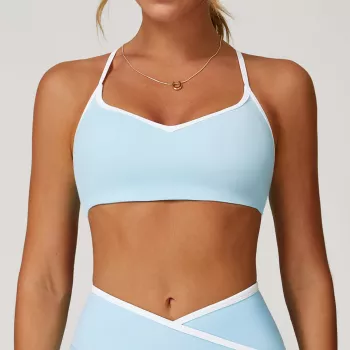
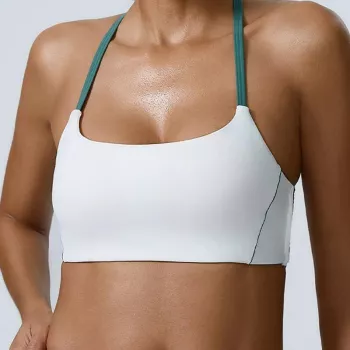
If you want a practical balance of bounce control and airy comfort, the Women’s Breathable Shockproof Sports Bra is designed to stay supportive while helping manage sweat and heat during movement. It’s a strong choice for routine training where stability matters—gym sessions, cardio circuits, or brisk walks—without feeling like you’re wearing armor.

Product snapshot

Product Price Availability
Women’s Breathable Shockproof Sports Bra 21.51 USD In stock

Small Add-Ons That Support Your Routine

Care Tips to Keep It Supportive and Comfortable

FAQ

How tight should a sports bra feel for high-impact workouts?

It should feel snug and secure without restricting breathing. The band should stay level as you move, and a quick jump test should show minimal bounce without painful compression.

Can a breathable sports bra still provide strong support?

Yes. Support can come from a stable band, well-designed straps, and shaping that controls movement, while breathable materials help manage heat and sweat.

How often should a sports bra be replaced?

Replace it when elasticity and support noticeably drop—such as a band riding up, increased bounce, or straps slipping. With frequent use, many bras need replacing after several months, depending on wear and care.

Was this article helpful?

Yes No
Leave a comment
Top

Shopping cart

×