What “meaningful minimalism” looks like in daily style
Chic minimalism becomes genuinely useful when it’s built around real mornings, real errands, and real comfort—not an aesthetic that only works on a mood board. “Meaningful minimalism” keeps what earns its space and lets go of what creates friction.
- Prioritizes function and feeling: every piece proves itself through comfort, fit, and how often it solves an outfit problem.
- Keeps a clear visual theme: consistent silhouettes, a controlled palette, and intentional textures make outfits feel quietly cohesive.
- Builds repeatable outfits: a small set of reliable combinations that refresh through accessories, layering, and footwear.
- Reduces decision fatigue: fewer “almost right” items means fewer dead-end outfit attempts (a concept often discussed as decision fatigue).
- Leaves room for a signature: one or two personal markers—jewelry, tailoring, a color accent, a favorite shoe shape—make minimalism unmistakably yours.
When the closet is calm, getting dressed turns into assembly instead of debate. And the result looks polished because your choices repeat with intention.
The Chic Minimalism Formula (the outfit recipe)
This is a simple “recipe” that works whether you’re dressing for work, travel, or weekend plans. The goal is to create a refined look with fewer moving parts—then repeat it without feeling repetitive.
Step-by-step formula
- Step 1 — Define the base: choose one neutral foundation (black, white, navy, beige, or charcoal) and one secondary neutral for contrast.
- Step 2 — Pick a silhouette pair: balance volume (fitted top + relaxed bottom, or relaxed top + streamlined bottom).
- Step 3 — Add one elevated texture: knit, silk/satin, crisp cotton, structured denim, or fine ribbing creates depth without extra color.
- Step 4 — Choose a “third piece”: blazer, cardigan, trench, overshirt, or structured hoodie—this is the polish multiplier.
- Step 5 — Finish with consistent accessory language: repeat the same metal tone, bag shape, and shoe profile for instant cohesion.
- Step 6 — Check three fit points: shoulder seam, waist placement, and hem length. Tiny fit upgrades make minimal pieces look expensive.
Quick rule: if two items feel basic together, make the third item structured or textured.
Outfit Recipe Builder (mix-and-match blueprint)
| Base |
Silhouette Pair |
Elevated Texture |
Third Piece |
Finishing Touch |
| Black tee + dark denim |
Fitted top + straight leg |
Smooth cotton + structured denim |
Light layer (hoodie or blazer) |
Minimal sneakers + small hoops |
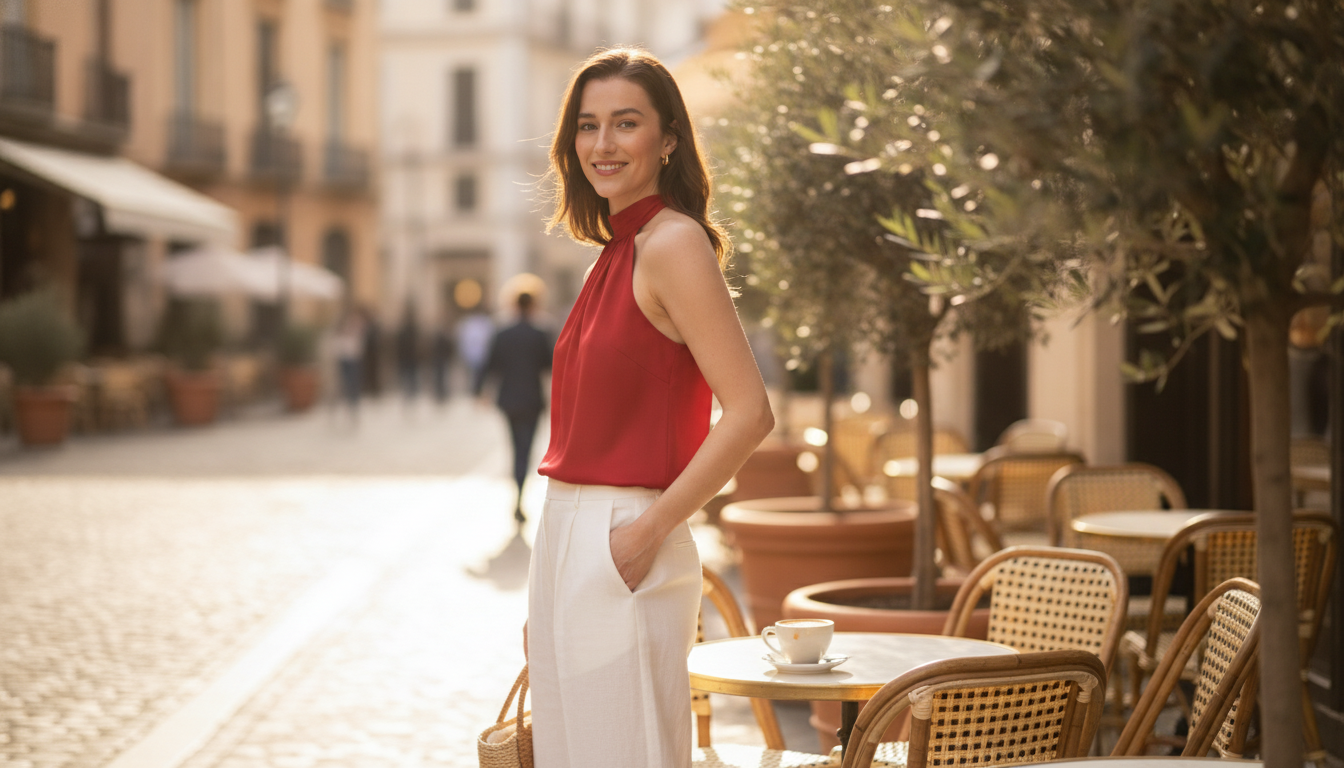
| White top + tailored trouser |
Relaxed top + streamlined bottom |
Silk/satin top |
Cardigan or trench |
Loafer + belt in matching leather |
| Monochrome neutral set |
Column silhouette |
Fine knit |
Longline outerwear |
One statement watch |
| Neutral tank + midi skirt |
Fitted top + fluid skirt |
Silk or ribbed knit |
Cropped jacket |
Strappy sandal + sleek shoulder bag |
A practical capsule: the few pieces that do the most work
A capsule doesn’t need to be extreme to feel effortless. Aim for pieces that layer smoothly, match at least two bottoms, and hold up to repeat wear. The “chic” part often comes down to fabric and construction—details that museums highlight when tracing the history of textiles and fashion craftsmanship, like the collections at the Victoria and Albert Museum and The Met.
- Tops (5–7): one black tee, one white tee, one elevated tank/cami, one button-down, one knit, one “going out” top.
- Bottoms (3–5): straight-leg denim, tailored trouser, easy skirt or wide-leg pant, plus one seasonal option (shorts or wool trouser).
- Layers (3–4): structured jacket or blazer, cozy layer (cardigan/hoodie), weather layer (trench/puffer), and one refined sweater.
- Shoes (3–5): minimal sneaker, loafer/flat, ankle boot, sandal/heel depending on lifestyle.
- Bags (1–3): one everyday crossbody/shoulder bag, one tote, optional evening bag.
- Color strategy: keep 70–80% in two neutrals; use 20–30% for one accent color or print to prevent boredom.
- Fabric strategy: mix at least two textures in most outfits (cotton + denim, knit + leather, silk + wool).
Minimal pieces that instantly elevate the “recipe”
The checklist: a fast way to keep only what earns its spot
Use this quick filter when you’re deciding what stays in active rotation. The goal isn’t perfection—it’s removing the items that quietly cause delays.
Outfit planning that takes 10 minutes: a weekly mini-system
Style vision: how to make minimalism feel personal, not generic
FAQ
How many pieces are in a capsule wardrobe for minimalism?
A practical range is about 25–40 active pieces (excluding workout gear and specialty occasion items), adjusted for climate and lifestyle. Starting with a 10–15 piece mini-capsule is often the easiest way to learn what you actually repeat.
How can outfits look chic if the wardrobe is mostly basics?
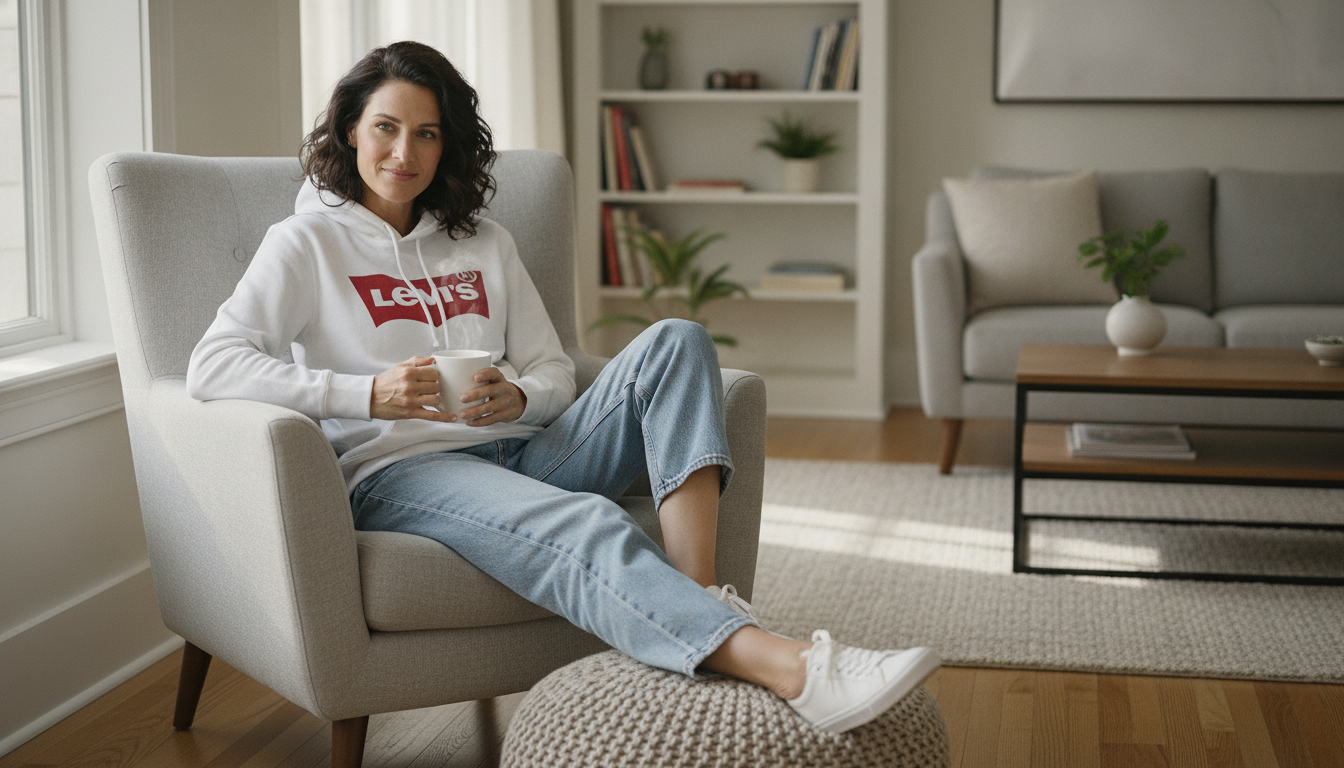
Focus on fit, a structured “third piece,” and mixing textures, then keep accessories consistent (same metal tone, bag shape, shoe profile). Example: black tee + straight-leg denim + blazer, finished with minimal sneakers and small hoops.
What’s the easiest way to start meaningful minimalism without decluttering everything?
Run a two-week wear test, build three outfit templates, and place “maybe” items into a separate box instead of making instant decisions. Remove only what repeatedly fails the fit/comfort/repeat checklist once you’ve seen the pattern.
Recommended for you







Leave a comment